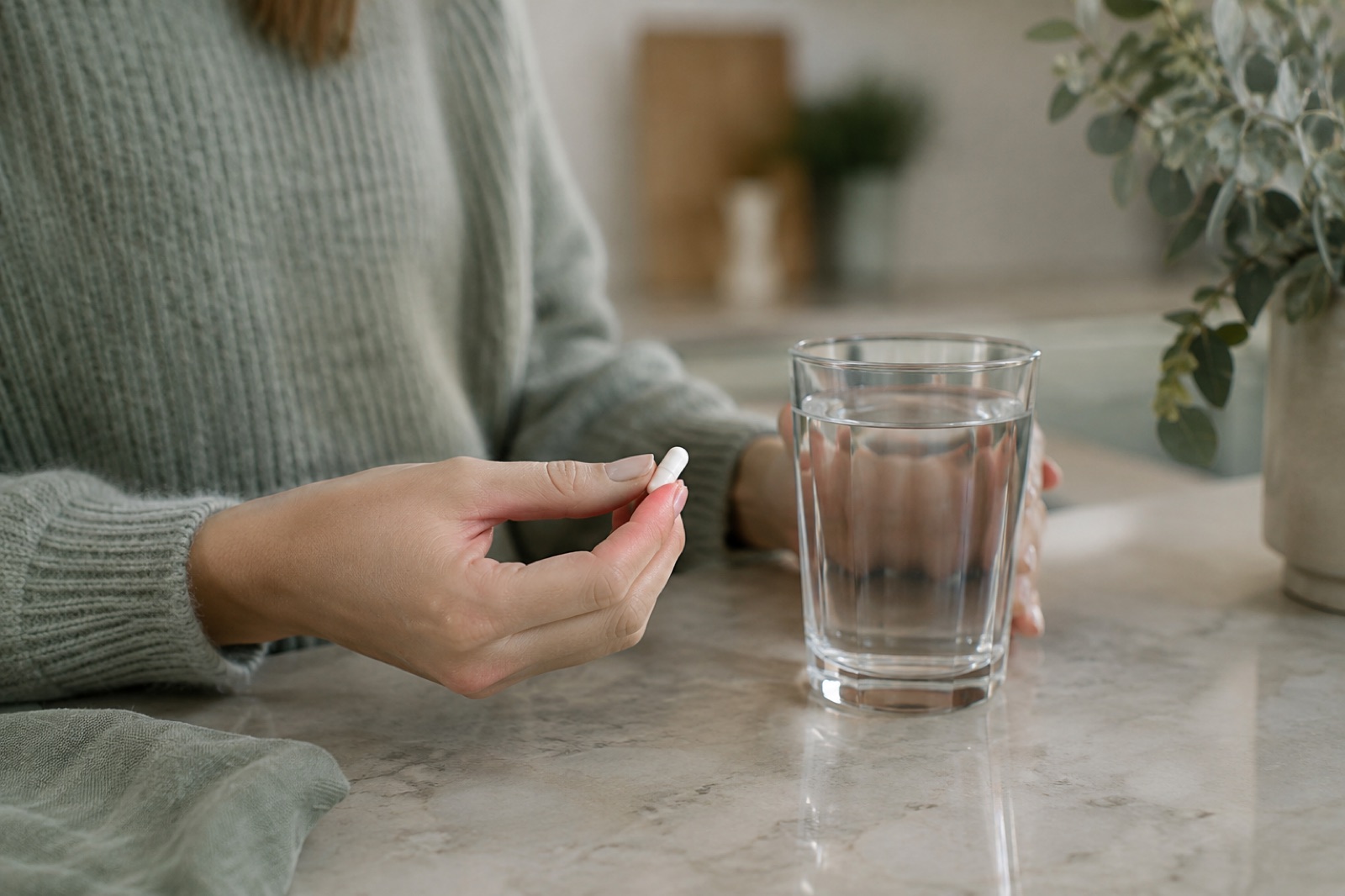
Vaginal prasterone is a prescription DHEA treatment for moderate-to-severe painful sex caused by menopause-related vulvar and vaginal atrophy. The labeled dose is one 6.5 mg vaginal insert at bedtime each day. Oral DHEA supplements are different. Healthy women should not choose an oral dose from generic internet advice because benefits are limited and long-term safety is uncertain.
If your goal is menopause-related vaginal dryness or painful sex, ask a clinician whether prescription vaginal prasterone is appropriate. It is not interchangeable with an oral DHEA capsule, which is sold as a dietary supplement rather than a prescription: DHEA supplement products state their own strength per capsule on the label.
DHEA for Women at a Glance
| Product | How it is used | Main use | Key point |
|---|---|---|---|
| Oral DHEA supplement | Swallowed as a tablet or capsule | Marketed for energy, libido, anti-aging, fertility and menopause | Do not self-dose. Routine use is not recommended for healthy women. |
| Vaginal prasterone, such as Intrarosa | One vaginal insert at bedtime | Moderate-to-severe painful sex caused by menopause-related vulvar and vaginal atrophy | Prescription treatment containing 6.5 mg of prasterone per insert. |
How to Use Prescription Vaginal DHEA
For Intrarosa or another prescribed vaginal prasterone product, follow the product instructions. The labeled dose for Intrarosa is:
- Insert one 6.5 mg vaginal insert once daily at bedtime.
- Use the supplied applicator.
- Insert it gently. Do not force the applicator.
- Dispose of the single-use applicator after use.
- Do not insert the product more often or use more than prescribed.
Vaginal prasterone is FDA-approved for moderate-to-severe dyspareunia, which means painful sex caused by menopause-related vulvar and vaginal atrophy. It is not the same as taking an oral DHEA supplement.
Vaginal discharge was the most commonly reported side effect. An abnormal Pap smear was also reported in a longer clinical trial.
How to Use Oral DHEA Supplements
There is no standard self-care dose of oral DHEA for women. Supplements come in different strengths, but a product label does not establish that a dose is safe or effective for your particular goal. The FDA does not approve dietary supplements for safety before they are sold.
If an endocrinologist or another qualified clinician prescribed oral DHEA for a diagnosed condition, follow that clinician's dose and monitoring plan. Do not replace the prescription with an over-the-counter product or increase the dose because a lower dose does not seem to work.
Oral DHEA is not a proven general treatment for:
- Low energy or anti-aging
- Weight loss
- Exercise performance
- General menopause symptoms
- Low libido in women with normal adrenal function
The Endocrine Society recommends against routine DHEA use in women because evidence of benefit is limited and long-term risks have not been adequately established. A global consensus statement also found that systemic DHEA does not significantly improve libido or sexual function in postmenopausal women with normal adrenal function.
Why Oral DHEA Can Cause Side Effects
DHEA is converted in the body into androgenic and estrogenic hormones, including testosterone and estradiol. Increasing DHEA can therefore cause hormone-related effects rather than simply correcting a nutrient deficiency.
Possible effects in women include:
- Acne or oily skin
- Unwanted facial or body hair
- Scalp hair loss
- Menstrual changes
- Mood changes or worsening mania in people with mood disorders
- Reduced HDL cholesterol
- Other unwanted androgenic changes
Contact a clinician if you develop new facial hair, severe acne, scalp hair loss, voice deepening, irregular bleeding or major mood changes.
Who Should Talk to a Clinician Before Using DHEA?
Get medical advice before starting oral DHEA if you:
- Are pregnant, trying to become pregnant or breastfeeding
- Have had breast, ovarian or another hormone-sensitive cancer
- Have unexplained vaginal or postmenopausal bleeding
- Have high cholesterol or ischemic heart disease
- Have bipolar disorder, mania or another significant mood disorder
- Take estrogen, testosterone, antidepressants or other hormone-active medicines
- Are being evaluated for excess facial hair, acne, irregular periods or a possible adrenal disorder
Mayo Clinic advises against DHEA during pregnancy and breastfeeding. It also warns about possible interactions with estrogen, testosterone, some antidepressants and triazolam.
The Intrarosa label says unexplained abnormal genital bleeding should be evaluated before treatment. It also says the product has not been studied in women with a history of breast cancer.
Should Women Take DHEA for Fertility?
Women should not take DHEA for fertility or ovarian reserve without guidance from a reproductive endocrinologist. The FDA has sent warning letters about infertility products promoted without adequate evidence of safety and effectiveness.
What to Do Next
- For vaginal dryness or painful sex after menopause, ask a clinician whether vaginal prasterone, vaginal estrogen, moisturizers or lubricants are appropriate.
- For fatigue, low libido, acne, excess hair or irregular periods, seek an evaluation instead of treating yourself with DHEA.
- If you already take oral DHEA, bring the bottle and full ingredient list to a pharmacist or clinician before taking another dose.
- Do not use oral DHEA and prescription vaginal prasterone as substitutes for each other.
The clearly defined female dosing information applies to prescription vaginal prasterone: one 6.5 mg insert at bedtime each day for approved menopause-related painful sex. Oral DHEA supplements should not be self-dosed because routine benefits are unproven and hormone-related side effects are possible. If you are comparing the two, a DHEA capsule sold on Amazon shows its strength and ingredient list on the product page, which is useful information to bring to an appointment.