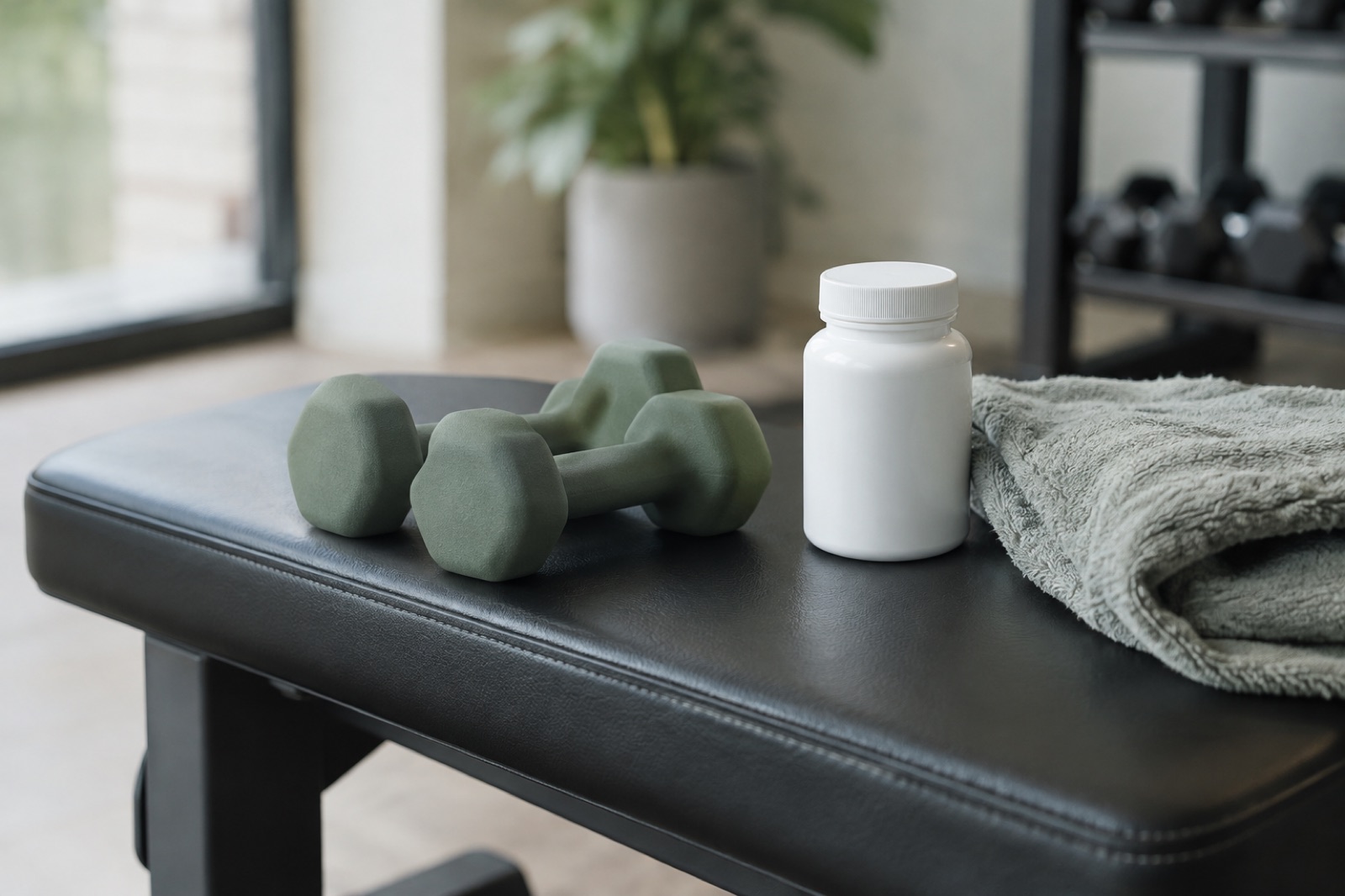
DHEA is not a proven pre-workout or post-workout supplement. Taking it before or after exercise is unlikely to improve strength, muscle growth, endurance, or recovery. The NIH Office of Dietary Supplements says research does not support DHEA for exercise or athletic performance.
If a doctor prescribed DHEA for a medical reason, follow the prescribed schedule rather than timing the dose around your workout. If you are looking at over-the-counter products instead, this is one DHEA supplement option, with the dose and label details on the page, and it is worth reviewing with a clinician before use.
Last reviewed:
DHEA Timing at a Glance
| Goal | Before Workout | After Workout | Best Approach |
|---|---|---|---|
| More energy during training | No proven benefit | No proven benefit | Use established training and nutrition strategies |
| Increased muscle or strength | No proven benefit | No proven benefit | Do not use DHEA as a muscle-building supplement |
| Faster recovery | No reliable evidence | No reliable evidence | Follow a clinician's advice if DHEA is prescribed |
| Medical treatment | Only if prescribed at that time | Only if prescribed at that time | Follow the label or prescribing clinician |
| Drug-tested sport | Prohibited | Prohibited | Check with your anti-doping organisation before use |
Why DHEA Is Not a Useful Pre-Workout Supplement
DHEA, or dehydroepiandrosterone, is a steroid hormone precursor. The body can convert it into testosterone and estrogen, but that does not make it an established exercise supplement.
In one NIH-cited study, male weightlifters took 100 mg of DHEA daily for 12 weeks. They did not gain significantly more strength, aerobic capacity, lean body mass, or testosterone than participants who took a placebo.
A second study involving younger sedentary men also found no meaningful improvement in strength, lean body mass, or testosterone. Taking DHEA 30 to 60 minutes before training is therefore not supported as a way to create an immediate energy, strength, or muscle-building effect.
Should You Take Prescribed DHEA Before or After Exercise?
Take prescribed DHEA at the time specified by your clinician or product instructions. Do not move the dose around your workout to try to improve performance.
The correct schedule depends on why DHEA was prescribed, your other hormone levels, blood-test results, age, sex, and medical history. Over-the-counter DHEA is not interchangeable with clinician-managed hormone treatment.
If the instructions are unclear, ask your prescriber or pharmacist:
- Whether to take DHEA with food
- What time of day to take it
- What to do if you miss a dose
- Whether it can be combined with testosterone, estrogen, or another hormone product
- Which blood tests are needed for monitoring
What DHEA Risks Matter to People Who Train?
DHEA changes hormone levels and can cause acne, oily skin, unwanted facial hair growth in women, and mood changes. Mayo Clinic also warns that DHEA may worsen some mental health conditions, increase the risk of mania in people with mood disorders, and reduce HDL cholesterol.
DHEA may be inappropriate or require medical supervision if you:
- Are pregnant or breastfeeding
- Have a hormone-sensitive cancer or cancer risk
- Have high cholesterol or ischemic heart disease
- Have a mood disorder
- Take estrogen, testosterone, certain antidepressants, or other medicines that may interact with DHEA
Long-term safety has not been established. DHEA supplements also carry added uncertainty because the body converts DHEA into other hormones.
Is DHEA Allowed for Athletes?
No. DHEA is prohibited at all times under World Anti-Doping Agency rules. The U.S. Anti-Doping Agency lists DHEA, prasterone, and dehydroepiandrosterone as prohibited anabolic agents in and out of competition.
A supplement being legally sold does not make it permitted in drug-tested sport. Athletes should check with their governing body or anti-doping organisation before using DHEA, including DHEA prescribed as part of hormone treatment.
Bottom Line
DHEA has no proven benefit before or after a workout. If it was prescribed for a medical reason, take it according to the prescribed schedule rather than changing the timing around exercise. Athletes subject to drug testing should avoid DHEA unless their anti-doping organisation has confirmed the rules that apply to them.