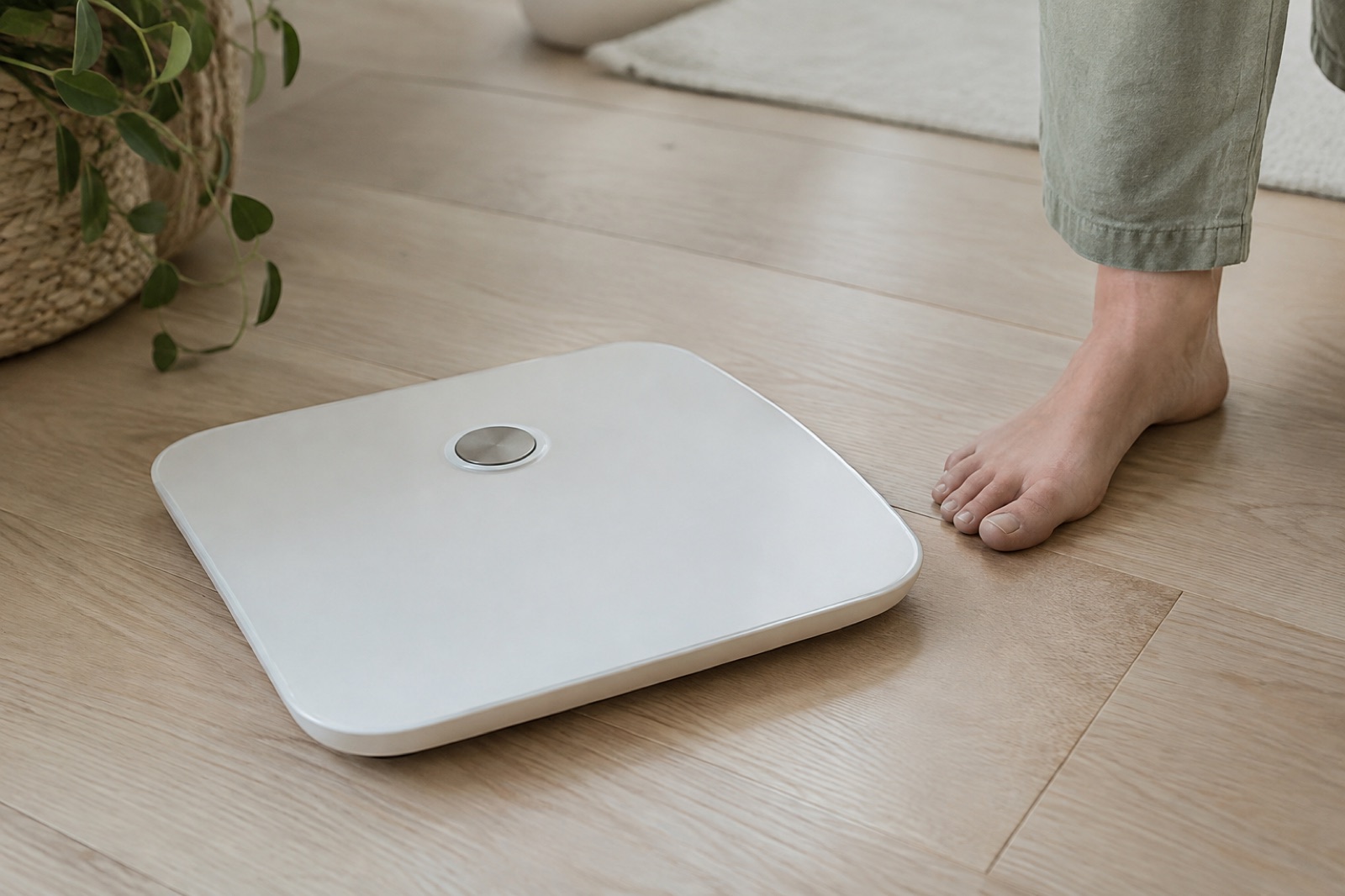
High DHEA is not usually a direct cause of weight gain. Clinical research on DHEA supplements has not found a reliable increase in body weight or BMI. One meta-analysis found no meaningful change in body weight, although it found small changes in lean mass and fat mass. The review was published in.
If you have high DHEA or DHEA-S and are gaining weight, look for another explanation. Possible causes include an underlying hormone condition, medication, supplement use, lifestyle factors, fluid retention, or excess cortisol.
High DHEA and Weight Gain at a Glance
| Situation | What it may mean |
|---|---|
| High DHEA-S on a blood test | DHEA-S itself is not usually the reason for weight gain |
| Taking DHEA supplements | Trials have not shown a consistent increase in body weight |
| PCOS with elevated DHEA-S | PCOS can contribute to weight gain and insulin resistance |
| An adrenal condition affecting several hormones | Weight gain is possible, especially when cortisol is also high |
| Rapid weight gain with acne, excess hair, or voice deepening | Medical evaluation is needed |
What Can Cause Weight Gain With High DHEA?
High DHEA-S and weight gain can occur together when another condition affects both androgen production and metabolism.
Polycystic Ovary Syndrome
Polycystic ovary syndrome, or PCOS, is a common cause of androgen excess in reproductive-age women. It can involve elevated DHEA-S, irregular periods, acne, excess facial or body hair, insulin resistance, and difficulty managing weight.
In this situation, the weight gain is linked to the wider metabolic and hormonal condition rather than to DHEA acting alone.
An Adrenal Hormone Disorder
DHEA and DHEA-S are produced mainly by the adrenal glands. A high DHEA-S result can indicate increased adrenal androgen production. Possible causes include PCOS, nonclassic congenital adrenal hyperplasia, adrenal overproduction, and, less often, an adrenal tumor.
Some adrenal tumors produce both androgens and cortisol. Excess cortisol can cause weight gain around the abdomen and face, along with high blood pressure, high blood sugar, easy bruising, purple stretch marks, and muscle weakness.
When these symptoms occur, the adrenal condition and cortisol excess may be contributing to the weight gain. DHEA alone is not the most likely explanation.
DHEA Supplements
DHEA supplements can increase androgen activity. Possible effects include acne, oily skin, unwanted facial hair, menstrual changes, and other hormone-related symptoms.
Weight gain is not a consistent side effect, and clinical trials have not shown a reliable increase in body weight. If you are unsure what the product you are taking contains, this is a typical DHEA capsule product, with the dose and ingredient panel listed on the page.
Do not increase the dose to change your body composition. Mayo Clinic advises using DHEA only with medical guidance because it can cause hormone-related side effects and interact with medications or hormone treatments.
What Symptoms Can High DHEA-S Cause?
High DHEA-S may be associated with:
- Acne or oily skin
- Excess facial or body hair
- Scalp hair loss
- Irregular or absent menstrual periods
- Increased muscle development
- Deepening of the voice
- Early puberty in children
DHEA-S levels vary by age and sex. A result should be compared with the reference range used by the laboratory, as MedlinePlus explains.
When Should You See a Doctor?
Make an appointment with a primary-care doctor or endocrinologist if high DHEA-S occurs with:
- Rapid or unexplained weight gain
- Rapid development of facial hair or severe acne
- Voice deepening
- Irregular periods or other new menstrual changes
- Easy bruising, purple stretch marks, or muscle weakness
- High blood pressure or high blood sugar
- Symptoms that appeared quickly, especially after menopause
Rapid development of androgen-related changes, known as virilization, or a very high DHEA-S level may require testing for an adrenal or ovarian source of androgen excess. Endocrine guidance recommends further assessment and, when appropriate, adrenal imaging if androgen levels are very high or symptoms progress quickly.
What Tests May Be Needed?
The tests depend on your symptoms, DHEA-S result, age, sex, and medical history. A clinician may review or order:
- A repeat DHEA-S test using the laboratory's age- and sex-specific reference range
- Total and free testosterone
- Androstenedione
- 17-hydroxyprogesterone
- Cortisol testing when Cushing syndrome is suspected
- Glucose or A1C testing
- Thyroid testing
- Pelvic or adrenal imaging when the results and symptoms support it
Bottom Line
The practical next step is to explain why high DHEA-S and weight gain are occurring together. Ask a clinician to review PCOS, cortisol excess, medications, supplements, thyroid function, blood sugar, and possible adrenal causes.
Do not stop prescribed hormone treatment without speaking with the prescribing clinician. If you take over-the-counter DHEA, discuss it with a healthcare professional before changing the dose or continuing it. Having a DHEA product listing open makes it easier to check the dose and ingredients together during the appointment.