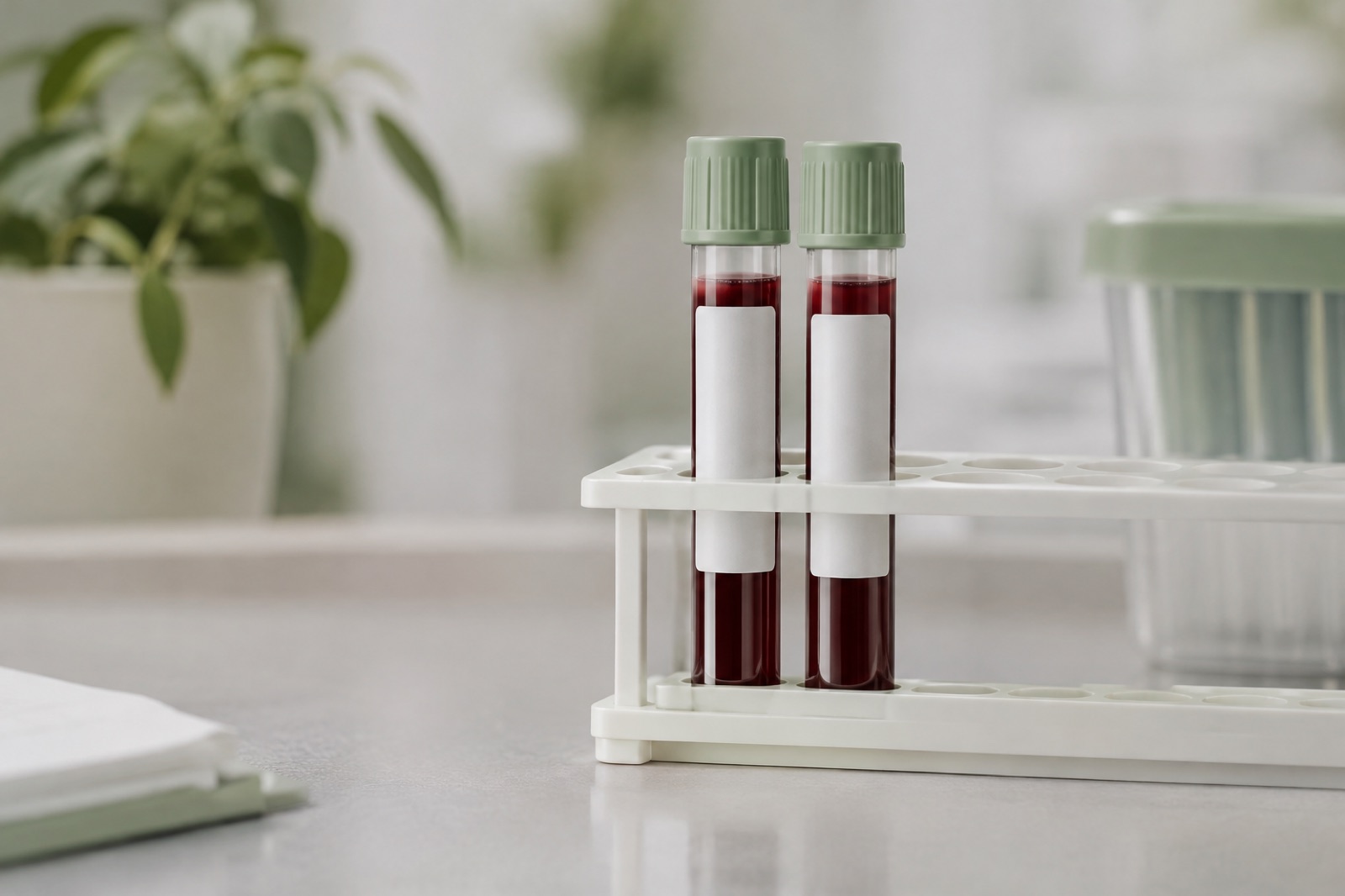
DHEA sulfate, or DHEA-S, is a hormone measured by a blood test. The adrenal glands, which sit above the kidneys, produce most DHEA-S. The body can use DHEA-S to make other hormones, including testosterone and estrogen.
A DHEA-S result around 600 micrograms per deciliter (mcg/dL) or higher can suggest an androgen-secreting adrenal tumor. The result must be interpreted with your age, symptoms, laboratory range and other hormone results.
Publication or medical
DHEA-S Blood Test at a Glance
| Test feature | What it means |
|---|---|
| Full name | Dehydroepiandrosterone sulfate |
| Common names | DHEA-S, DHEAS, DHEA-SO4 |
| Main source | Adrenal glands |
| Hormone type | Androgen precursor |
| Main purpose | Evaluate adrenal hormone production and symptoms of excess androgens |
| Sample | Blood drawn from a vein |
| Fasting | Usually not required |
| Factors that affect the result | Age, sex, medications, hormone therapy and DHEA supplements |
Why Is a DHEA Sulfate Test Ordered?
A healthcare professional may order a DHEA-S test when someone has signs of excess androgen or a possible adrenal or hormone disorder. These signs and conditions can include:
- Excess facial or body hair
- Acne or oily skin
- Irregular or absent menstrual periods
- A deeper voice
- Difficulty becoming pregnant
- Early puberty in children
- Possible polycystic ovary syndrome, or PCOS
- Congenital adrenal hyperplasia
- A possible adrenal gland disorder or tumor
- A possible pituitary or sex-hormone disorder
DHEA-S is often measured with testosterone, estrogen, androstenedione, 17-hydroxyprogesterone or other hormone tests. A DHEA-S result alone usually cannot identify the exact cause of an abnormal hormone level.
What Does DHEA-S Do in the Body?
DHEA-S is a relatively weak androgen and a precursor hormone. The body can convert it into stronger androgens and estrogens. Both males and females produce DHEA-S.
DHEA-S levels usually rise around puberty and decline gradually with age. DHEA-S also changes less from day to day than some other adrenal hormones, so the blood sample generally does not need to be collected at a specific time.
What Does a High DHEA-S Level Mean?
A high DHEA-S level may mean that the adrenal glands are producing excess androgen. Possible causes include:
- Polycystic ovary syndrome
- Congenital adrenal hyperplasia
- An adrenal gland tumor
- Certain medications or hormone treatments
- DHEA-containing supplements
- Normal variation, especially when the increase is mild
A high DHEA-S result does not automatically mean cancer. Mild elevations in adults are often not caused by a tumor. A markedly elevated result needs medical evaluation, especially when symptoms are developing quickly.
Report rapid changes such as a deeper voice, substantial facial or body hair, severe acne, scalp hair loss, menstrual changes or increased muscle mass. These changes may require evaluation for an adrenal or ovarian source.
What Does a Low DHEA-S Level Mean?
A low DHEA-S level can occur with:
- Addison disease or primary adrenal insufficiency
- Hypopituitarism
- Aging
- Corticosteroid treatment
- Some other medications or hormone treatments
A low result alone does not diagnose adrenal insufficiency. A clinician may consider your symptoms and order other tests, such as cortisol and pituitary hormone tests.
What Is the Normal DHEA-S Range?
There is no single normal DHEA-S range for everyone. The reference range depends on:
- Age
- Sex
- Pubertal development
- The laboratory's testing method
- The units used, commonly micrograms per deciliter, or mcg/dL
DHEA-S usually peaks during adolescence and declines with age. A level that is normal for a young adult may be high for an older adult. Compare your result with the reference range on your own laboratory report rather than with a range found online.
Does the DHEA-S Blood Test Require Fasting?
Usually, no special preparation is required. Tell the healthcare professional about all medications, hormone treatments, vitamins and supplements you take. Mention products that contain DHEA or DHEA-S because they can affect the result.
DHEA Versus DHEA-S: What Is the Difference?
DHEA and DHEA-S are related but different forms of the hormone:
- DHEA is the non-sulfated form.
- DHEA-S is the sulfated form produced mainly by the adrenal glands.
- DHEA-S is commonly used to assess adrenal androgen production.
- DHEA-S generally has less day-to-day variation than DHEA.
The test a clinician chooses depends on your symptoms and the suspected hormone disorder.
What Happens After an Abnormal Result?
After an abnormal DHEA-S result, a healthcare professional may:
- Review your age, symptoms, medications and supplements.
- Repeat the DHEA-S test if the result does not fit the clinical picture.
- Order testosterone, androstenedione, 17-hydroxyprogesterone, cortisol or other hormone tests.
- Assess for PCOS, congenital adrenal hyperplasia, adrenal disease or pituitary disease.
- Request adrenal or pelvic imaging when the DHEA-S level is markedly high or symptoms are progressing quickly.
The DHEA-S number is only one part of the evaluation. The laboratory reference range, symptoms and other hormone results also matter.
Should You Take DHEA Supplements for a Low Result?
Do not start DHEA supplements solely to correct a low DHEA-S result. Reliable evidence does not support DHEA supplements as an anti-aging treatment. DHEA supplements can cause side effects and alter hormone-test results. If a clinician does raise oral DHEA with you, one widely sold DHEA supplement shows what the labeled strength and ingredient panel look like on an over-the-counter capsule.