DHEA in a blood test refers to dehydroepiandrosterone, a steroid hormone produced mainly by the adrenal glands above the kidneys. DHEA can be converted into other hormones, including testosterone and estrogen. Many lab reports measure DHEA-S, also called DHEAS, which is the sulfated form of DHEA.
The same DHEA-S result may be normal for someone aged 25 but outside the expected range for someone aged 65 because levels usually decline with age.
Reviewed:
DHEA Blood Test at a Glance
| Test name on your report | What it measures | Why it may be ordered |
|---|---|---|
| DHEA | Unconjugated dehydroepiandrosterone | Evaluation of adrenal androgen production |
| DHEA-S or DHEAS | Dehydroepiandrosterone sulfate in the blood | Assessment of adrenal function, excess androgen symptoms, puberty changes or possible adrenal disorders |
What Does DHEA Do?
DHEA is an adrenal androgen produced by males and females. The body can use it to make testosterone and estrogen. DHEA levels usually peak around puberty and then decline with age.
Why Would a Clinician Order a DHEA-S Blood Test?
A clinician may order a DHEA-S test when symptoms suggest excess androgen production, an adrenal disorder or a change in hormone production. Reasons may include:
- Excess facial or body hair
- Acne or oily skin
- Irregular menstrual periods
- A deeper voice or other masculinizing changes
- Early puberty in a child
- Possible adrenal gland disease
- Possible adrenal, ovarian or testicular tumors
- Possible polycystic ovary syndrome, or PCOS
- Symptoms that may indicate low adrenal hormone production
DHEA-S is often reviewed with other tests, such as testosterone, estrogen, cortisol or 17-hydroxyprogesterone. The choice depends on the symptoms and the condition being investigated.
What Does a High DHEA or DHEA-S Level Mean?
A high DHEA or DHEA-S result means the body may be producing more adrenal androgens than expected for the person's age and sex. Possible causes include:
- PCOS
- Congenital adrenal hyperplasia
- An adrenal gland tumor
- Early puberty in children
- DHEA-containing supplements
- Certain medicines
A high DHEA-S result does not diagnose cancer or another condition on its own. The meaning depends on the result, the lab's reference range, the person's symptoms and other hormone tests.
Very large increases, particularly results several times above the upper reference limit, may lead to testing for an adrenal androgen-producing tumor.
What Does a Low DHEA or DHEA-S Level Mean?
A low DHEA or DHEA-S level may be associated with:
- Adrenal insufficiency, including Addison disease
- Pituitary gland disorders
- Glucocorticoid medicines
- Normal age-related decline
A low result is not interpreted by itself. The person's age, symptoms, cortisol result and other adrenal or pituitary tests may provide more useful information.
What Is the Normal DHEA-S Range?
There is no single normal DHEA-S range for everyone. Reference ranges vary according to:
- Age
- Sex
- Puberty stage
- Pregnancy status
- Testing laboratory
- Measurement units
Always compare your result with the reference range printed on your own lab report. A range found online may use different units or apply to a different age group.
How Is the DHEA Blood Test Performed?
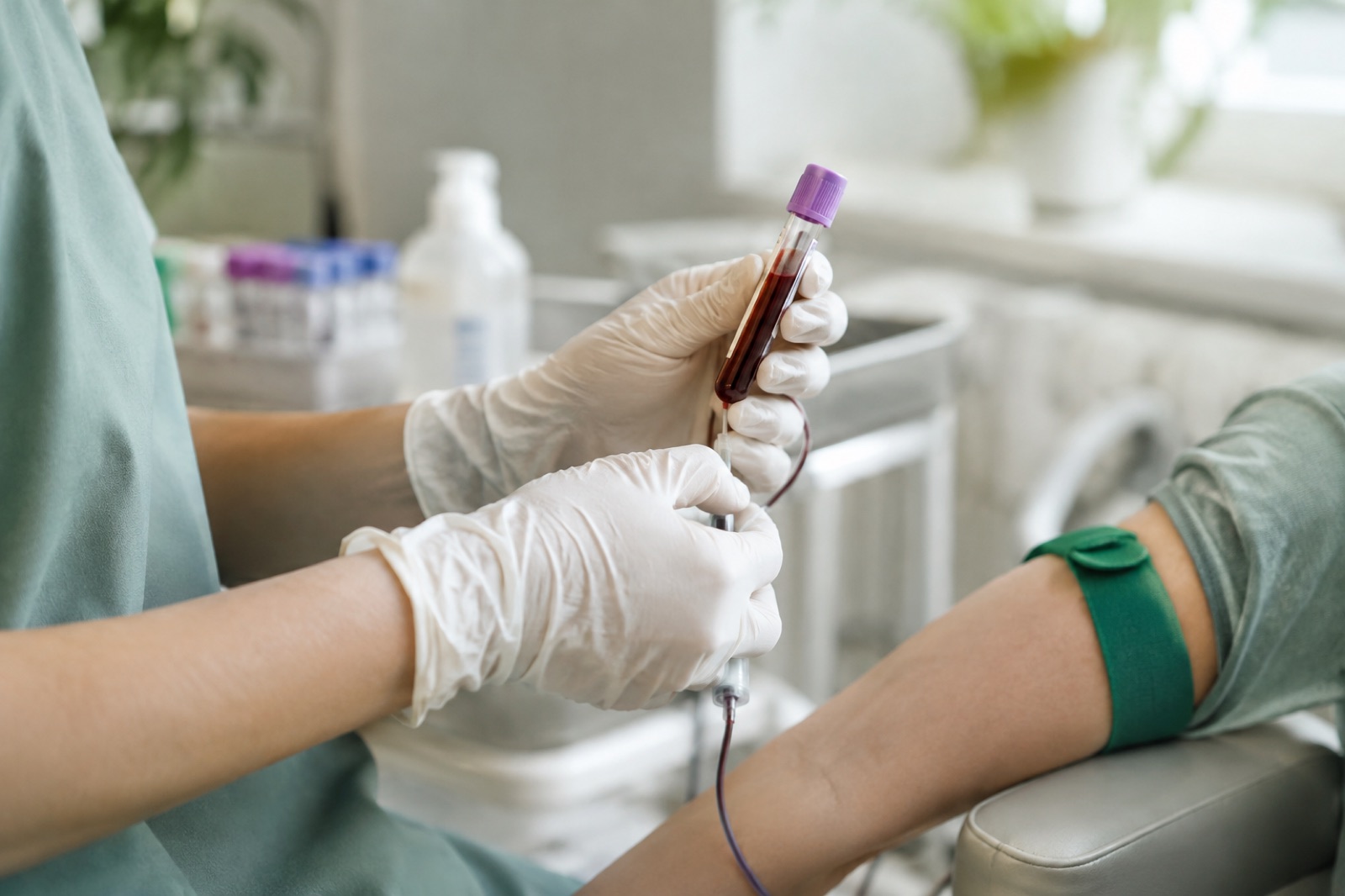
A healthcare professional takes a blood sample from a vein in your arm. The procedure usually takes a few minutes, and no special preparation is normally required.
Tell the healthcare professional if you take DHEA, DHEA-S or hormone-containing supplements. These products can affect the test result. If you are not sure what is in a product you have been taking, the label is the thing to bring to the appointment, and a DHEA supplement available on Amazon shows the kind of strength and ingredient information printed on an oral capsule product.
DHEA vs. DHEA-S: What Is the Difference?
DHEA is the unconjugated hormone. DHEA-S is DHEA attached to a sulfate group. They are related, but they are different laboratory measurements.
A report labelled DHEA may refer to a direct DHEA test. A report labelled DHEA-S or DHEAS refers to the sulfated form. Clinicians may review either test with testosterone and other hormone tests when investigating excess androgen production. Mayo Clinic Laboratories describes DHEA and DHEAS testing as an additional part of evaluation rather than a complete diagnostic test for conditions such as congenital adrenal hyperplasia.
How Should You Interpret Your DHEA Result?
Interpret a DHEA result by reviewing:
- The exact test name: DHEA or DHEA-S
- Your result and measurement units
- The laboratory's reference range
- Your age and sex
- Your symptoms and medicines
- Related hormone results
Contact the healthcare professional who ordered the test if the result is outside the stated range. Seek medical advice promptly if you have rapidly developing facial or body hair, a deepening voice, major menstrual changes, early puberty, unexplained weight loss, dizziness, nausea or dehydration. These symptoms may require further hormone or adrenal testing.
Bottom line: DHEA and DHEA-S blood tests measure hormones linked to adrenal and sex hormone production. A high or low result can provide information about adrenal, reproductive or pituitary function, but the result cannot establish a diagnosis without the lab range, symptoms and related test results.