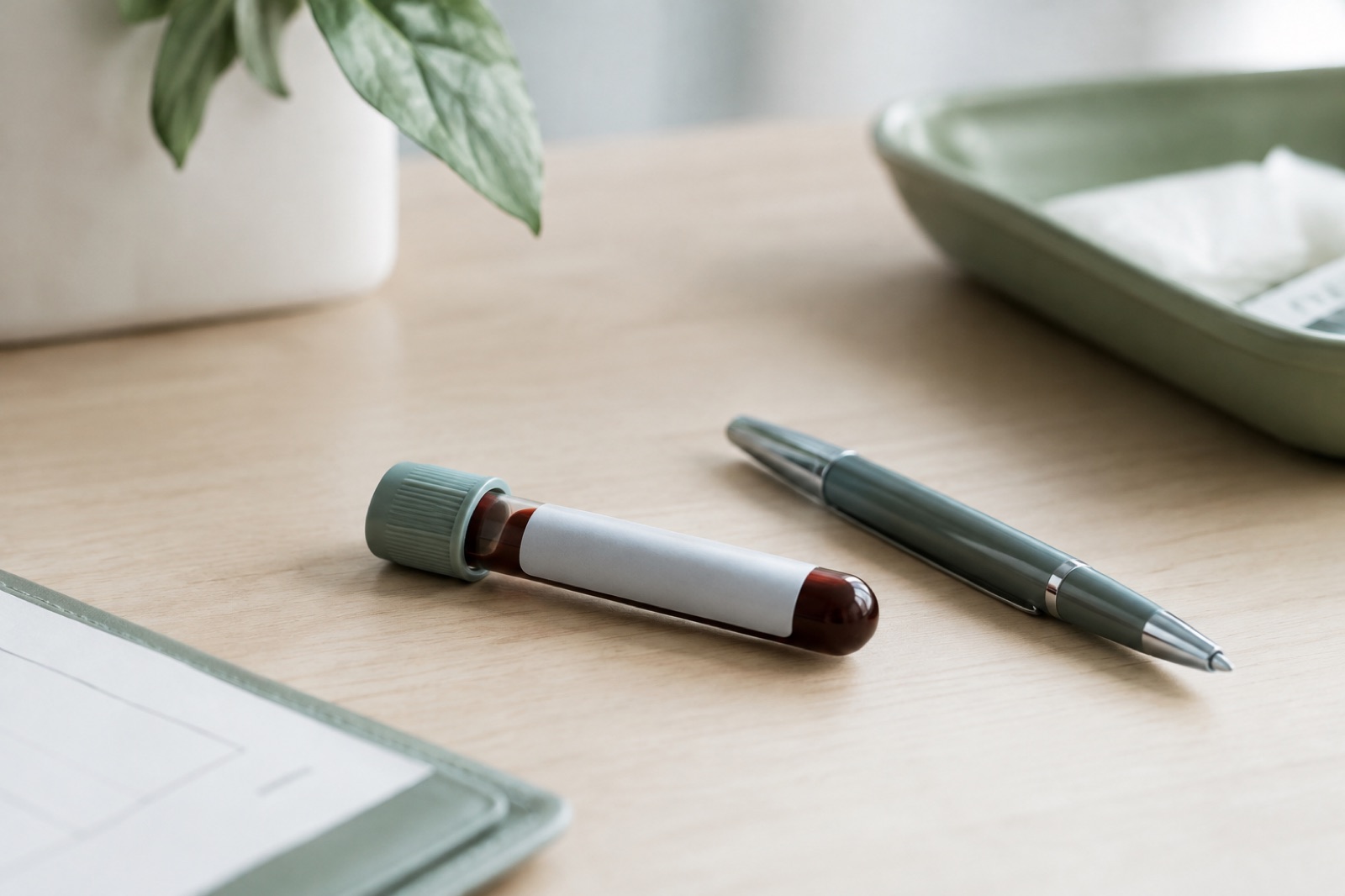
Low DHEA usually means that your blood level of dehydroepiandrosterone sulfate, or DHEA-S, is below the reference range for your age and sex. One low result does not automatically mean you have a disease. DHEA-S naturally decreases with age, so the result needs to be considered with your symptoms, medicines, medical history and other hormone tests.
Reviewed:
Low DHEA at a Glance
| Finding | What it may mean |
|---|---|
| Slightly low DHEA-S in an older adult | Often part of the normal decline in hormones with age |
| Low DHEA-S with fatigue, weight loss, dizziness or salt cravings | May need an evaluation for adrenal insufficiency |
| Low DHEA-S while taking prednisone, hydrocortisone or dexamethasone | May be related to glucocorticoid medication |
| Low DHEA-S with other low pituitary hormones | May point to hypopituitarism |
| Low DHEA-S alone | Does not diagnose Addison's disease or "adrenal fatigue" |
What Is DHEA?
DHEA is a steroid hormone made mainly by the adrenal glands, which sit above the kidneys. The body can convert DHEA into other sex hormones, including testosterone and estrogen. Blood tests usually measure DHEA-S, the more stable form of DHEA.
DHEA-S levels usually peak around puberty and decline throughout adulthood.
DHEA is also sold without a prescription, and DHEA capsules listed on Amazon show the doses these products come in. Tell the clinician reviewing your result if you are taking one, because it can change the measured level.
What Causes Low DHEA?
Low DHEA-S can have several explanations.
Normal aging DHEA-S levels decline naturally with age. A result that is low for a young adult may fall within the expected range for an older adult. Laboratories use different reference ranges, so check the range printed on your own report.
Adrenal insufficiency or Addison's disease The adrenal glands may produce too little DHEA-S along with too little cortisol. In primary adrenal insufficiency, aldosterone may also be low. Addison's disease is one form of primary adrenal insufficiency.
Pituitary gland problems Hypopituitarism can reduce the signals that tell the adrenal glands to produce hormones. When the pituitary gland is involved, low DHEA-S may occur with other abnormal hormone results.
Glucocorticoid medication Medicines such as prednisone, hydrocortisone and dexamethasone can affect the adrenal hormone system and may contribute to a low DHEA-S result. Do not stop these medicines suddenly without medical guidance.
What Symptoms Can Low DHEA Cause?
Low DHEA-S does not cause one specific, reliable group of symptoms. Symptoms depend on the reason for the low result.
When low DHEA-S is related to an adrenal disorder, symptoms may include:
- Unexplained weight loss
- Fatigue or muscle weakness
- Loss of appetite
- Nausea or vomiting
- Dizziness or low blood pressure
- Dehydration
- Salt cravings
- Abdominal pain
- Irregular menstrual periods
Age-related low DHEA-S may occur with reduced sex drive, erectile dysfunction in men or thinning vaginal tissues in women. These symptoms also have many other possible causes.
Does Low DHEA Mean Adrenal Fatigue?
No. "Adrenal fatigue" is not a recognized medical diagnosis. The Endocrine Society states that ordinary mental or physical stress does not cause the adrenal glands to lose function.
True adrenal insufficiency is a specific medical condition. It requires appropriate hormone testing and an evaluation by a healthcare professional.
How Is Low DHEA Investigated?
A healthcare professional reviews the DHEA-S result alongside your age, sex, symptoms, medicines and other hormone results. The review may include:
- Your DHEA-S number, units and laboratory reference range
- Symptoms such as weight loss, dizziness, salt cravings or low blood pressure
- Prescription medicines, especially steroid medicines
- Other hormone test results
If adrenal insufficiency is suspected, testing may include cortisol, ACTH, electrolytes and other adrenal function tests. Pituitary hormone testing or imaging may be considered when your medical history suggests a pituitary problem.
A low DHEA-S result alone is usually not enough to diagnose Addison's disease, hypopituitarism or another endocrine disorder.
Should You Take DHEA Supplements?
Do not start DHEA supplements only because a blood test is low. DHEA is a hormone, not a general wellness supplement. Evidence does not support using DHEA to prevent aging. Supplements can cause acne, oily skin, unwanted hair growth, mood changes and hormone-related interactions.
The Endocrine Society recommends against routine DHEA use for women with low androgen levels because evidence of benefit and long-term safety is limited. In selected patients with confirmed adrenal insufficiency, a specialist may consider a monitored trial. That is different from treating an isolated low result on your own.
When Is Low DHEA an Emergency?
Low DHEA-S by itself is not usually an emergency. Seek urgent medical care for severe vomiting, diarrhea, abdominal pain, dehydration, confusion, very low blood pressure or fainting, especially if you have known or suspected adrenal insufficiency.
These symptoms can signal an adrenal crisis, which requires immediate treatment.
Bottom line: Low DHEA-S is often related to aging or medication, but it can also occur with adrenal or pituitary disease. Use the age-specific range on your laboratory report to understand the result. When appropriate, follow-up may include cortisol, ACTH and electrolyte testing.