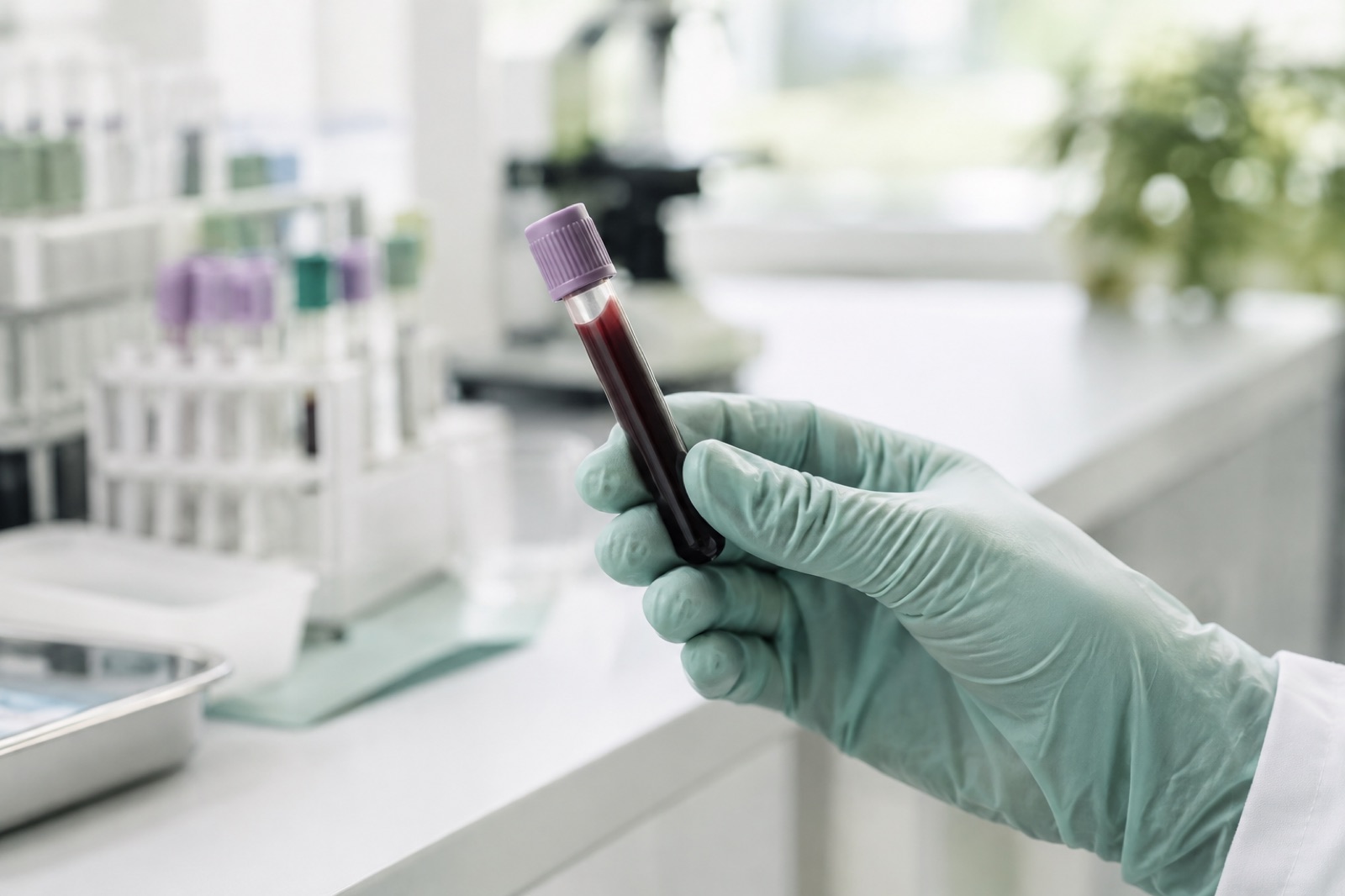
The safest way to lower high DHEA sulfate, or DHEA-S, is to identify and treat the underlying cause. There is no reliable detox, diet, or over-the-counter blocker that safely lowers DHEA-S in every woman. One high result does not diagnose PCOS or an adrenal tumor. The 2023 international PCOS guideline recommends total and free testosterone as the main biochemical tests for androgen excess. DHEA-S can add context, but it is less specific and declines with age.
A DHEA-S level above approximately 700 micrograms per deciliter raises concern for an adrenal source, although the result must be interpreted alongside the laboratory range, symptoms, age, and other hormone results. This threshold is a warning sign, not a diagnosis.
High DHEA-S may be associated with polycystic ovary syndrome, congenital adrenal hyperplasia, Cushing syndrome, an adrenal tumor, or DHEA-containing supplements.
DHEA-S Reduction at a Glance
| Possible cause of high DHEA-S | Usual medical approach |
|---|---|
| DHEA supplement or hormone product | Review the product with a clinician. Stop or adjust it only as medically advised. |
| Polycystic ovary syndrome, or PCOS | Treat menstrual irregularity, androgen symptoms, insulin resistance, and metabolic risk. |
| Nonclassic congenital adrenal hyperplasia | Use specialist-directed corticosteroid treatment when indicated. |
| Cushing syndrome | Treat the source of excess cortisol. |
| Adrenal tumor | Arrange endocrine evaluation and imaging. Surgery may be required. |
| Mild isolated elevation | Confirm the result and assess other hormones before assuming a diagnosis. |
First, Confirm That DHEA-S Is Genuinely High
DHEA-S is produced mainly by the adrenal glands. Its normal range varies with age, sex, and the laboratory's testing method, so the result should be compared with the reference range on that specific report. A high DHEA-S result alone does not diagnose PCOS or an adrenal tumor.
Tell the healthcare professional about:
- DHEA, pregnenolone, testosterone, or "adrenal support" supplements
- Hormonal contraception
- Steroid medicines
- Irregular periods, acne, excess facial or body hair, or scalp hair loss
- How quickly symptoms developed
- Whether you are pregnant, trying to conceive, or postmenopausal
How Is DHEA-S Lowered When PCOS Is the Cause?
When PCOS is the cause, treatment targets menstrual irregularity, androgen-related symptoms, insulin resistance, and other metabolic risks rather than trying to force one hormone result into the normal range. DHEA-S elevation is not required for a PCOS diagnosis.
Treatment may include:
- Lifestyle changes: Regular physical activity, balanced nutrition, adequate sleep, and weight management when appropriate can improve metabolic health and androgen-related symptoms.
- Combined oral contraceptives: These can regulate periods and reduce acne and unwanted hair growth when they are medically suitable.
- Anti-androgen medication: Medicines such as spironolactone may help with hirsutism or acne when symptoms remain troublesome. Effective contraception is important because anti-androgens can harm a male fetus during pregnancy.
- Metformin: Metformin is generally used when insulin resistance, prediabetes, or another metabolic indication is present. It is not a universal treatment for an isolated high DHEA-S result.
- Cosmetic treatment: Laser hair reduction, electrolysis, shaving, and other hair-removal methods can treat existing hair while medical treatment reduces new growth.
Combined hormonal contraception and anti-androgen therapy treat effects such as acne and hirsutism. They may not normalize DHEA-S itself. For many people, symptom improvement is a more useful measure of treatment than repeated hormone testing.
How Is DHEA-S Lowered in Other Conditions?
Congenital Adrenal Hyperplasia
Nonclassic congenital adrenal hyperplasia can cause excess adrenal androgens, irregular periods, excess hair, acne, and infertility. When treatment is needed, an endocrinologist may prescribe a carefully adjusted corticosteroid such as hydrocortisone, prednisone, or dexamethasone. These medicines suppress excessive adrenal androgen production, but taking them without a confirmed diagnosis can cause serious harm.
Cushing Syndrome
Cushing syndrome causes prolonged excess cortisol. It may produce irregular periods, acne, excess facial hair, easy bruising, muscle weakness, high blood pressure, or weight gain around the abdomen and face. Treatment depends on the source and may include surgery, radiation, or cortisol-lowering medicine.
Adrenal Tumor
A very high DHEA-S level, especially with rapidly progressive virilization, requires assessment for an adrenal source. A level above approximately 700 micrograms per deciliter is commonly used as a threshold for concern, but it does not confirm a tumor.
If an adrenal tumor is found, treatment may involve removing the adrenal gland. Adrenocortical carcinoma is rare, but androgen-producing tumors need prompt specialist evaluation because early diagnosis affects treatment options.
DHEA or Hormone Supplements
DHEA supplements can increase androgen activity and cause acne, unwanted hair growth, scalp hair loss, menstrual changes, or other masculinizing effects in females. If you take DHEA, give your clinician the exact product, dose, and reason for use. If you are already taking an over-the-counter product, stopping it is usually the first thing a clinician will ask about, so it helps to have the label to hand; this is an example of DHEA supplements sold over the counter, with the amount per serving and the ingredient list shown on the page. Do not change prescribed hormone replacement without speaking with the prescriber.
Tests a Healthcare Professional May Order
Depending on your symptoms and result, evaluation may include:
- Repeat DHEA-S using the laboratory's age-specific reference range
- Total and free testosterone
- 17-hydroxyprogesterone to assess for congenital adrenal hyperplasia
- Pregnancy testing when relevant
- Thyroid or prolactin testing for menstrual abnormalities
- Cortisol testing when Cushing syndrome is suspected
- Pelvic ultrasound when an ovarian source is possible
- Adrenal CT or MRI when DHEA-S is markedly elevated or symptoms suggest an adrenal tumor
The speed of symptom onset matters. Rapidly developing androgen-related symptoms are more concerning than stable, slowly developing acne or facial hair.
Seek Prompt Medical Evaluation for These Symptoms
Arrange prompt evaluation if you develop:
- Rapidly increasing facial or body hair
- Sudden severe acne
- Deepening of the voice
- Enlargement of the clitoris
- Rapid muscle gain or a marked change in body shape
- Sudden scalp hair loss
- Periods that stop or become significantly irregular
- New androgen symptoms after menopause
Make an appointment with a primary-care clinician, gynecologist, or endocrinologist. Bring the full lab report, including the DHEA-S value, units, reference range, other hormone results, and a list of supplements and medicines.
Do not self-treat with prednisone, dexamethasone, spironolactone, or "hormone balancing" supplements.